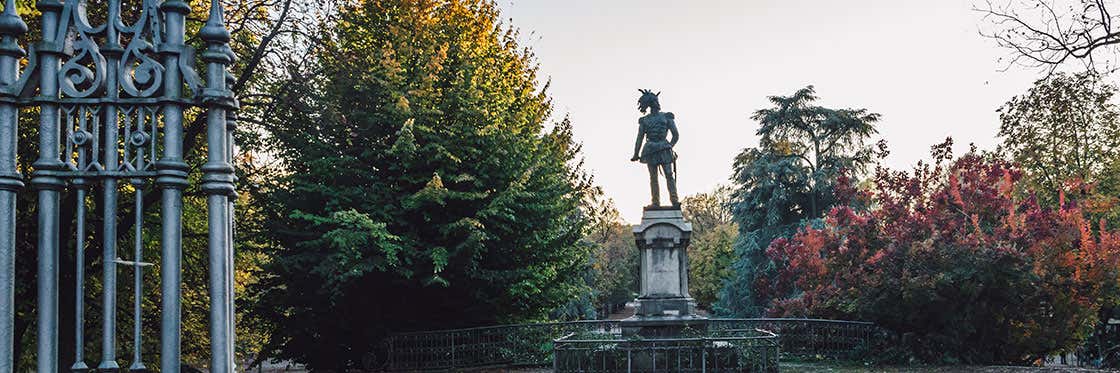
Cathedrals, castles, churches, squares and parks — the landmarks that define the city.
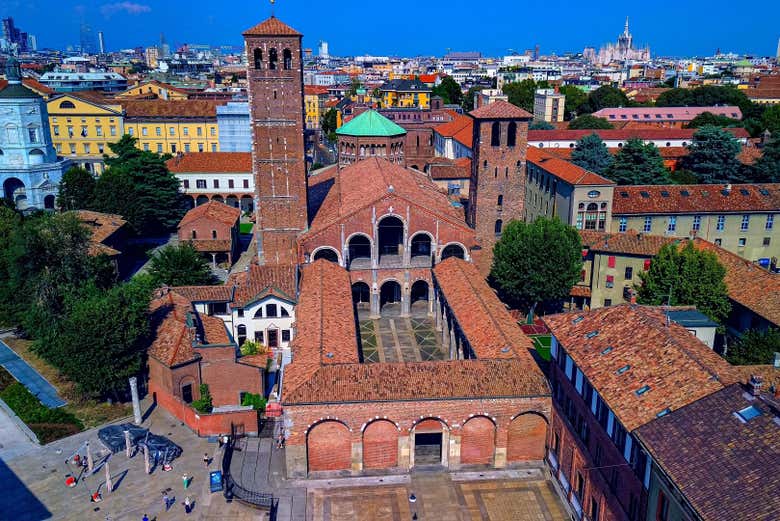
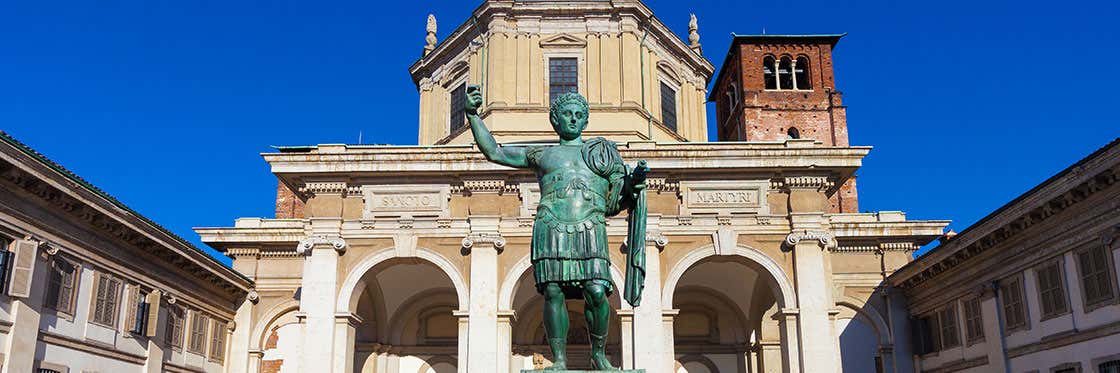
Milan wears its history quietly. Behind the fashion houses and glass towers stand a Gothic cathedral six centuries in the making, early-Christian basilicas, a Renaissance fortress and grand civic squares. Most of the landmarks below sit within the walkable historic centre.
Quick answer
What is Milan's most famous monument?
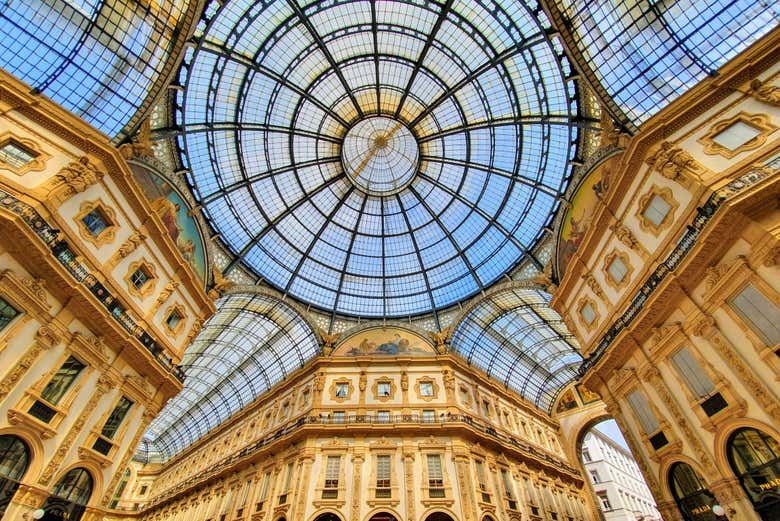
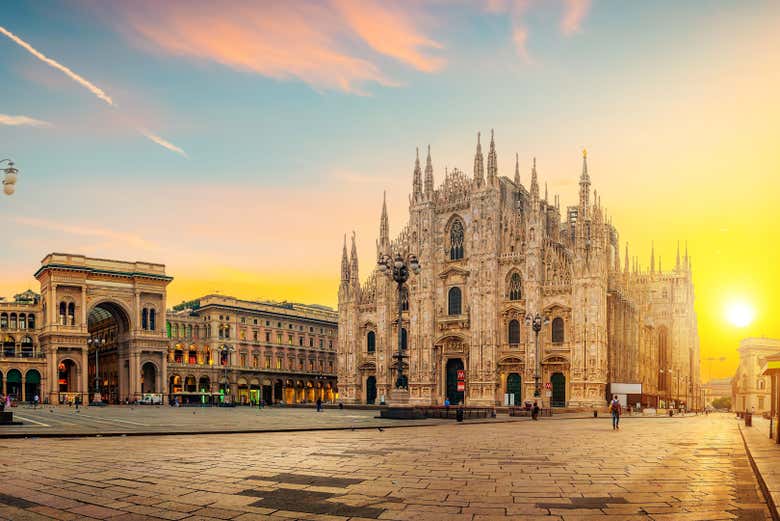
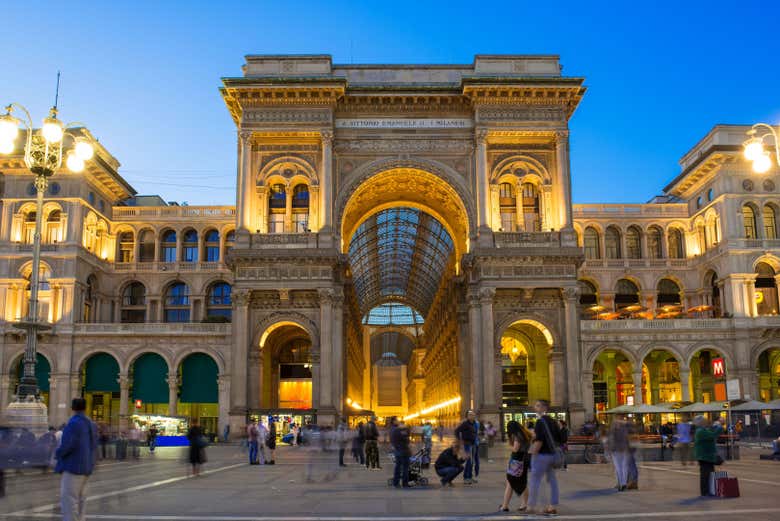
The Duomo — Milan's Gothic cathedral — is the city's defining landmark. Its marble façade, 135 spires and rooftop terraces (which you can walk) make it unmissable. The Galleria Vittorio Emanuele II and Castello Sforzesco follow close behind.
By Ivanka García Mancebo, Civitatis travel specialist
The Duomo — Milan's Gothic cathedral — is the city's defining landmark. Its marble façade, 135 spires and rooftop terraces (which you can walk) make it unmissable. The Galleria Vittorio Emanuele II and Castello Sforzesco follow close behind.
Yes. You can reach the rooftop terraces on foot via the stairs or by lift for a small extra fee, and walk among the spires with panoramic views over the city — on a clear day as far as the Alps. Book a combined ticket to skip the queues.
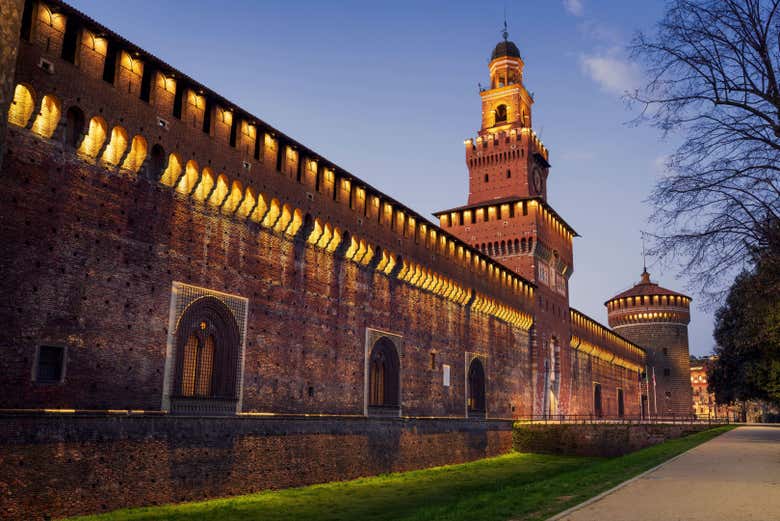
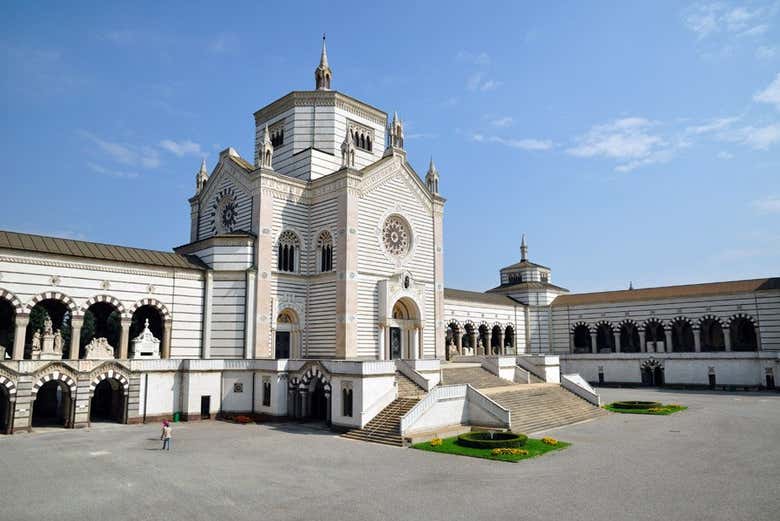
Plenty: the Duomo interior, the Galleria, Piazza Mercanti, Parco Sempione, the Castello Sforzesco courtyards, the Cimitero Monumentale, San Maurizio and Sant'Ambrogio are all free. You pay only for extras like the Duomo roof or the museums inside the castle.
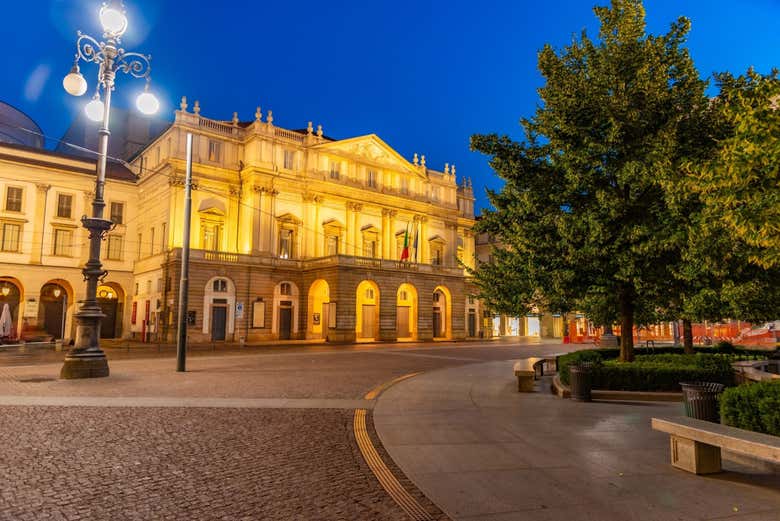
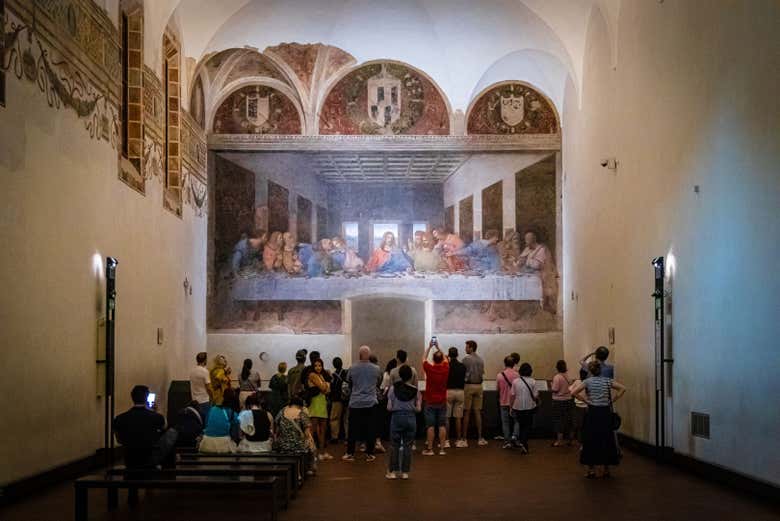
You can see the Duomo, Galleria, La Scala exterior and Castello Sforzesco in a full day on foot, as they cluster in the centre. Add the Last Supper and a basilica or two and you'll want a second day — see the two-day itinerary.